About
Warp Realm is a short, 2D puzzle adventure game created in Dragonfly, an ASCII art based game engine. In Warp Realm, you play as a trapped adventurer, trying to make their way out of a dangerous dungeon.
The player must use their wit and reflexes in order to dodge the dangerous traps, solve puzzles, and make it out of the dungeon alive.
Development Info
– Project Type: Game
– Role: Programmer and Design
– Tools Used: Visual Studio
– Team Size: 2
– Project Length: 2 Weeks
Game Info
– Genre: Puzzle Adventure
– Platform: PC
– Current Status: Completed
System Design
Player Abilities
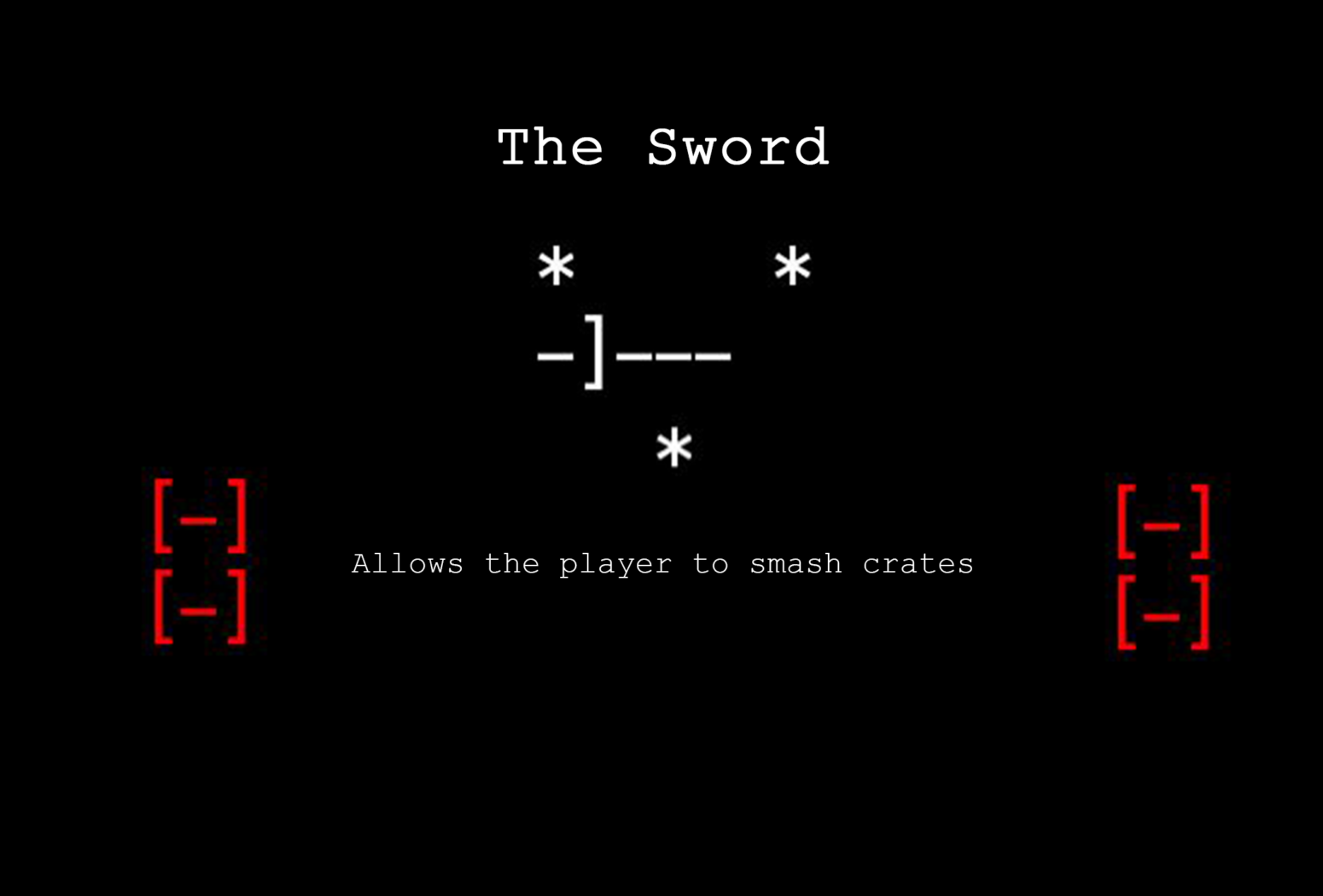
Capturing a sense of adventure was our biggest goal and challenge in this game with its simple engine and graphics, so my decisions focused on enabling such a feeling as much as possible.
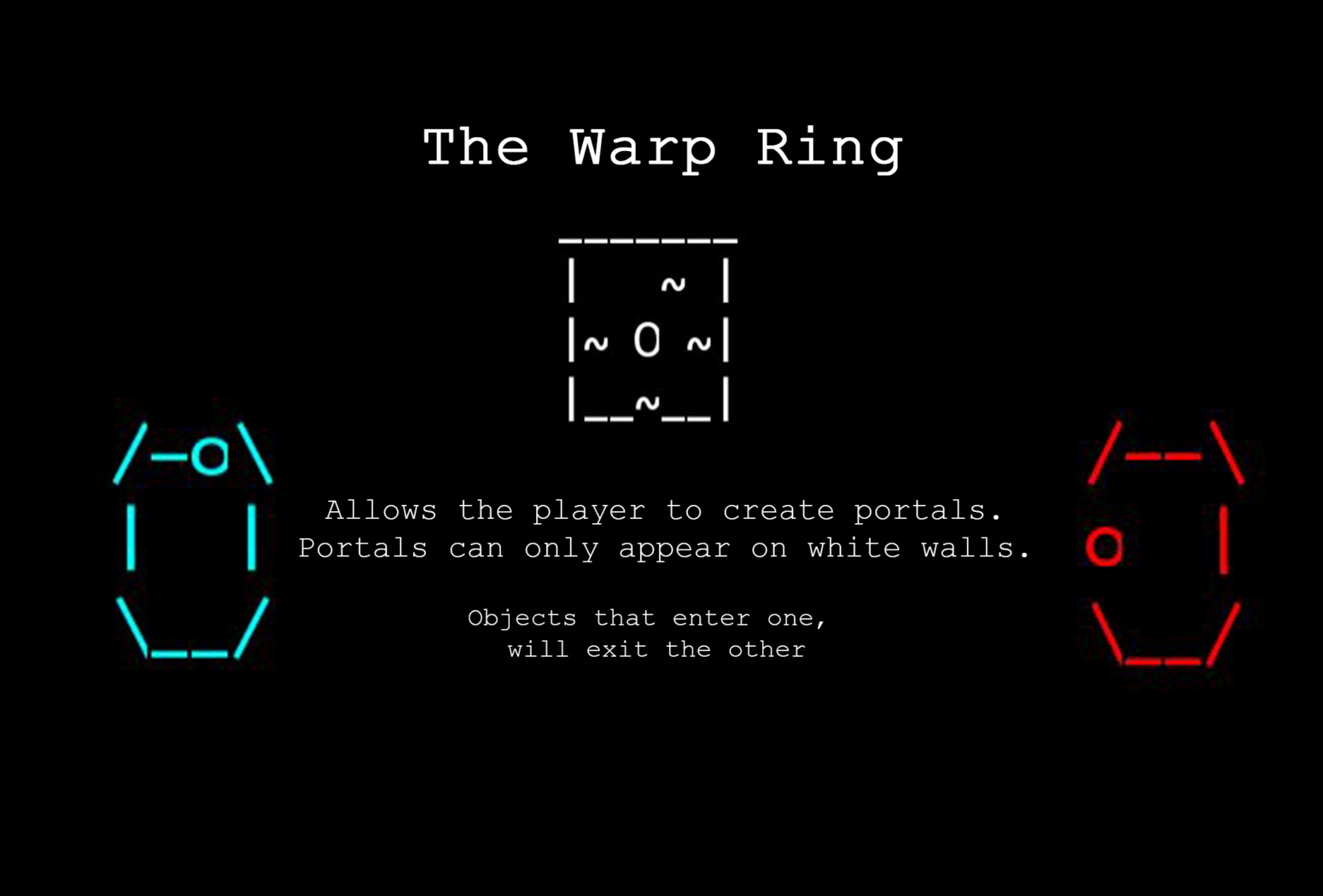
Upon acquiring the Warp Ring, the player is able to shoot out two projectiles that each spawn a portal. Players can move through these if the other side is safe terrain, and can move projectiles through them as well. Portals were the chosen mechanic because they work as a mix of a traversal tool and puzzle solver. Giving players this extra movement helped to make the game feel more open.
Level Mechanics
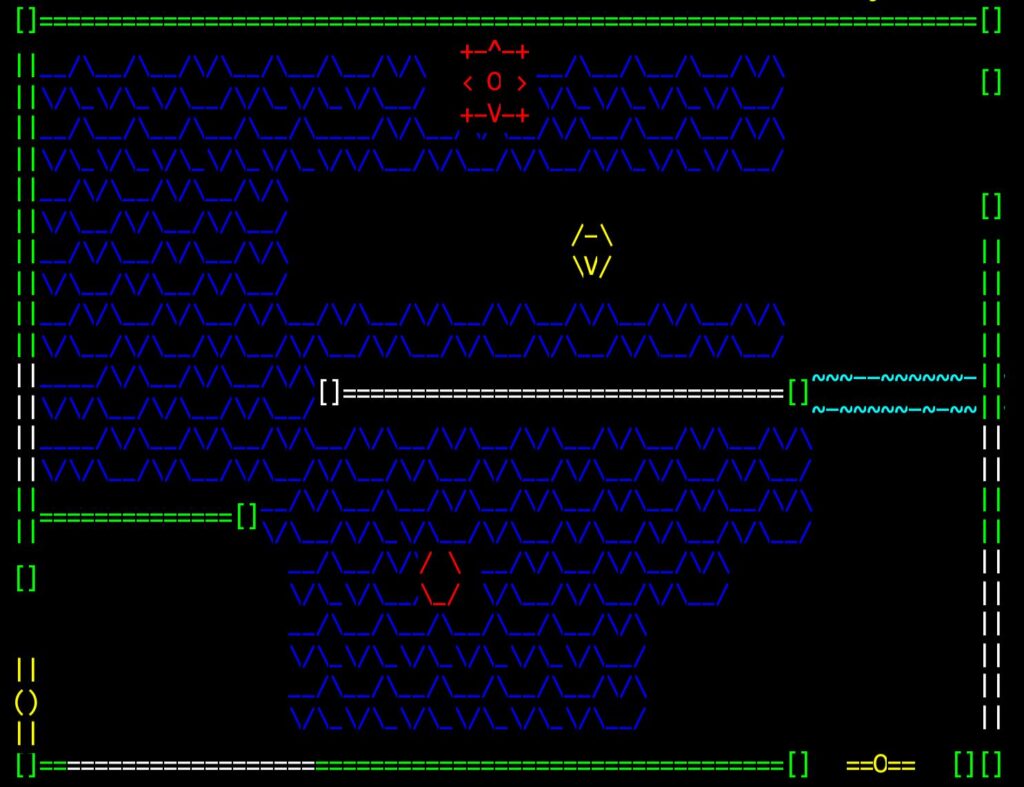
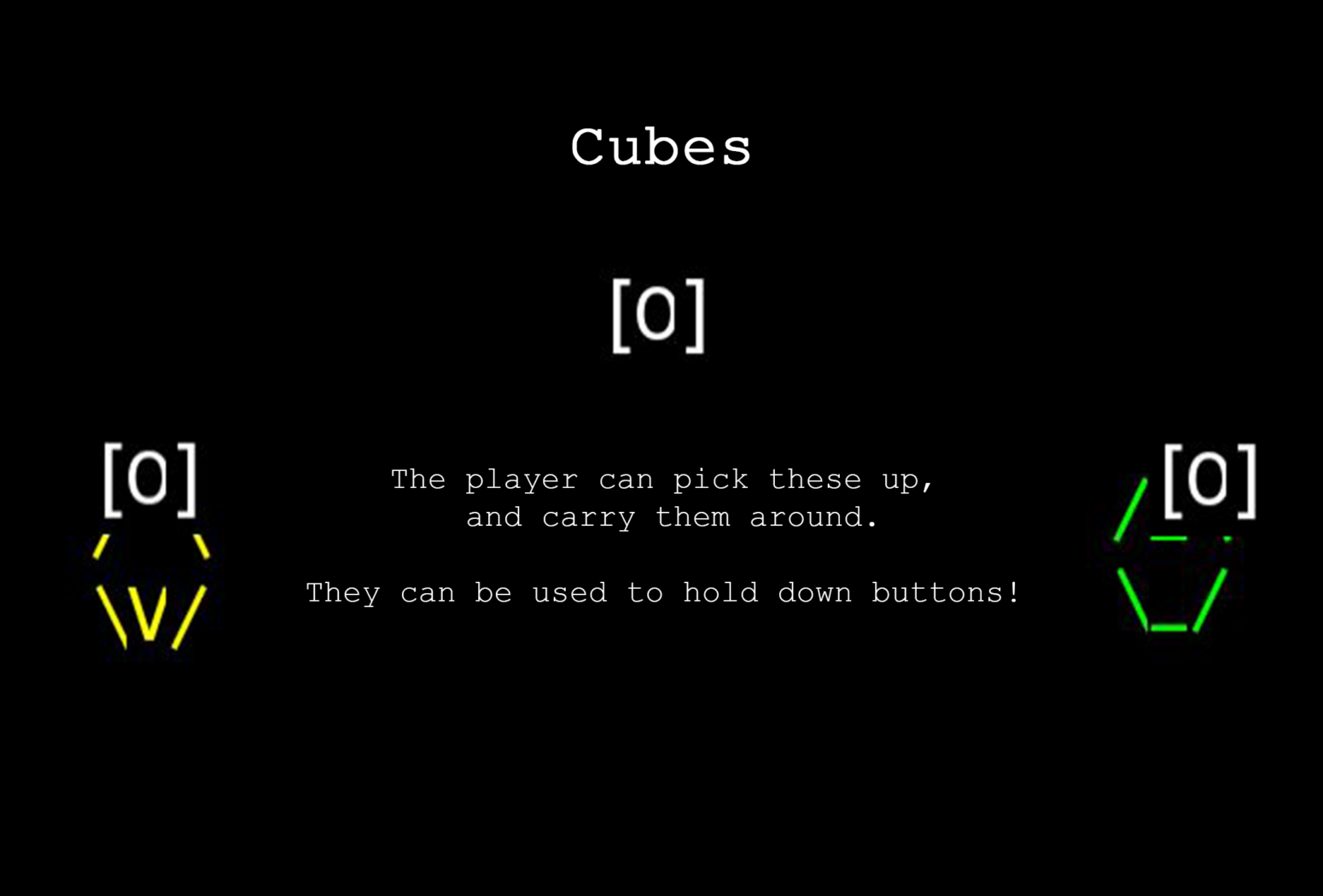
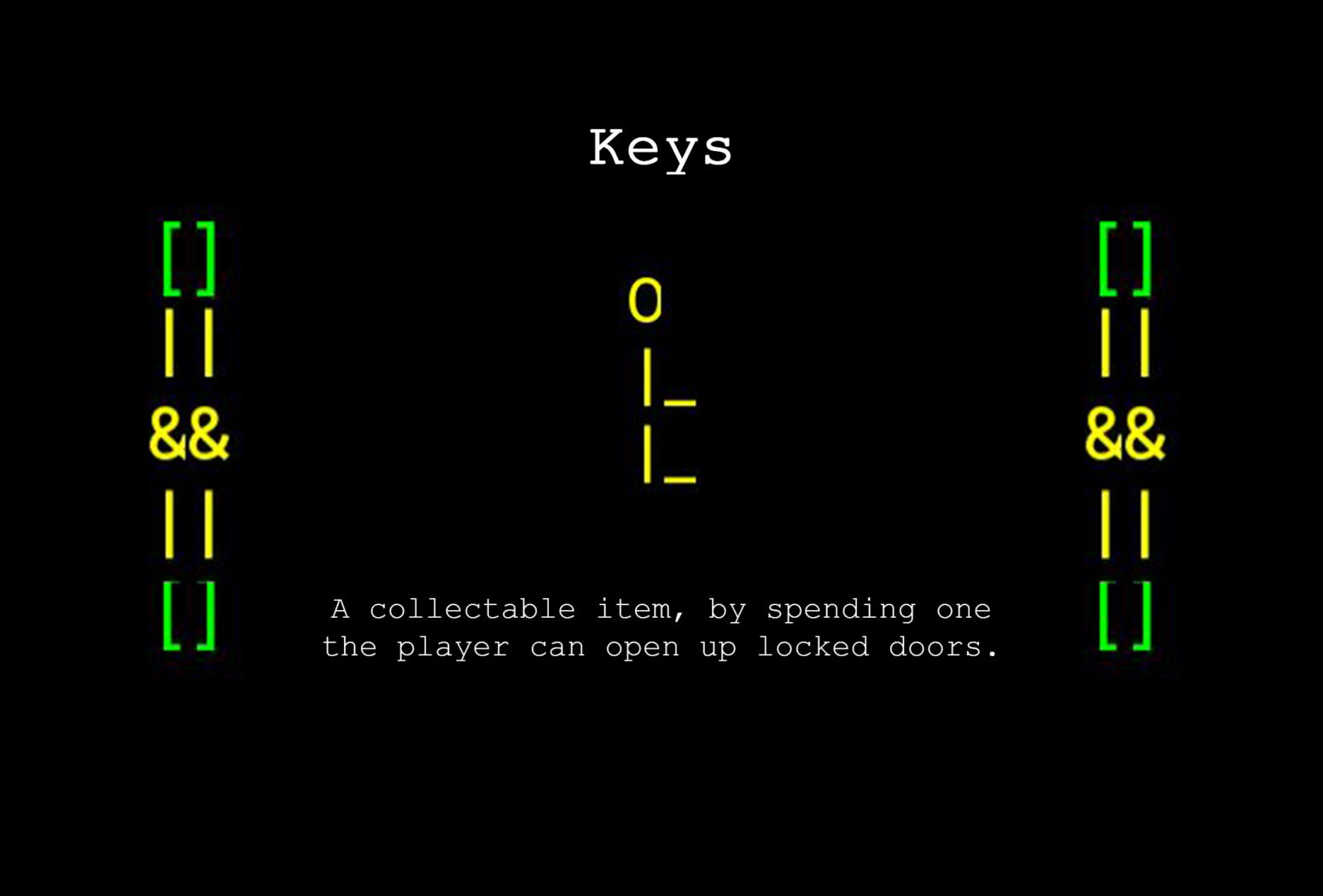
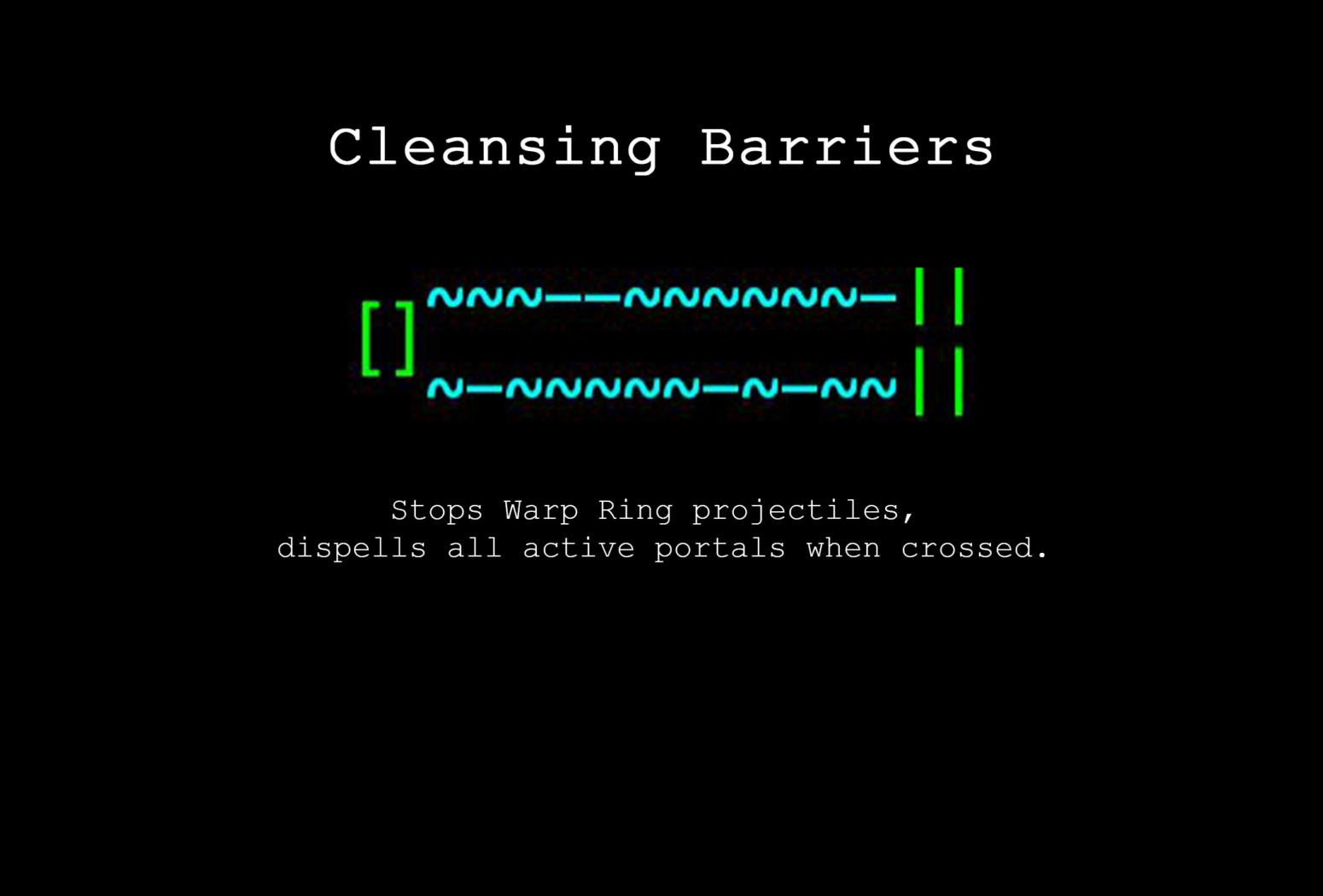
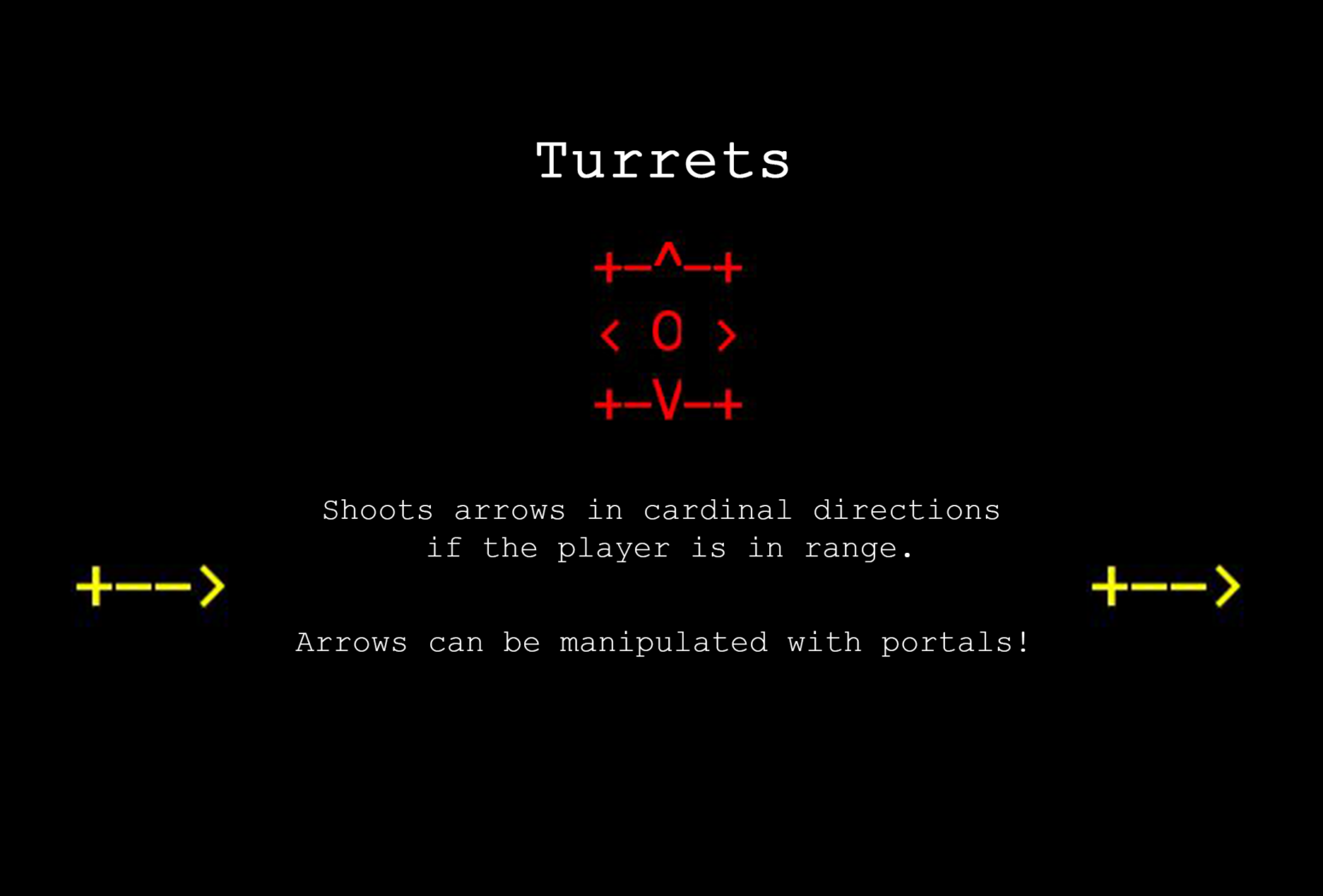
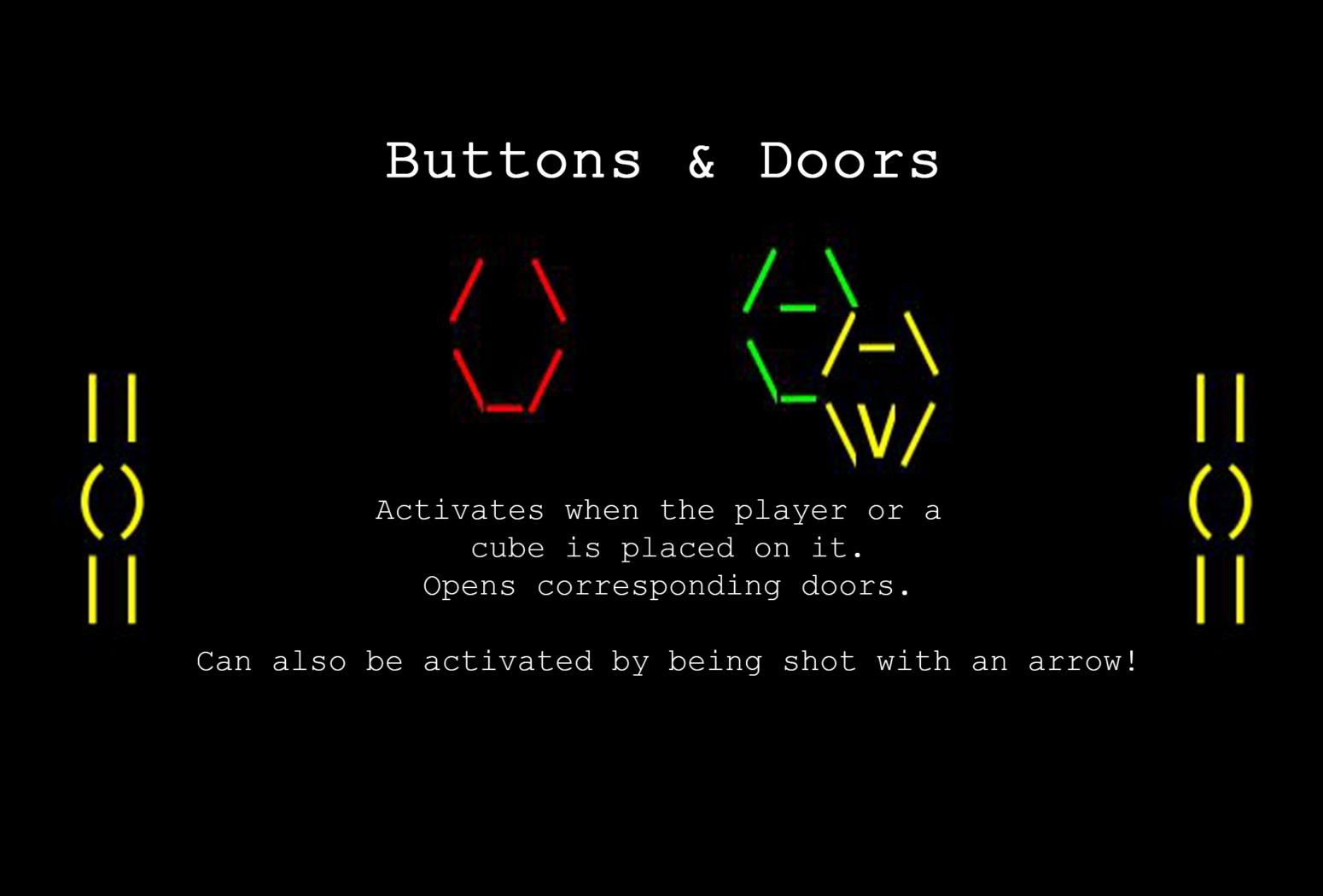
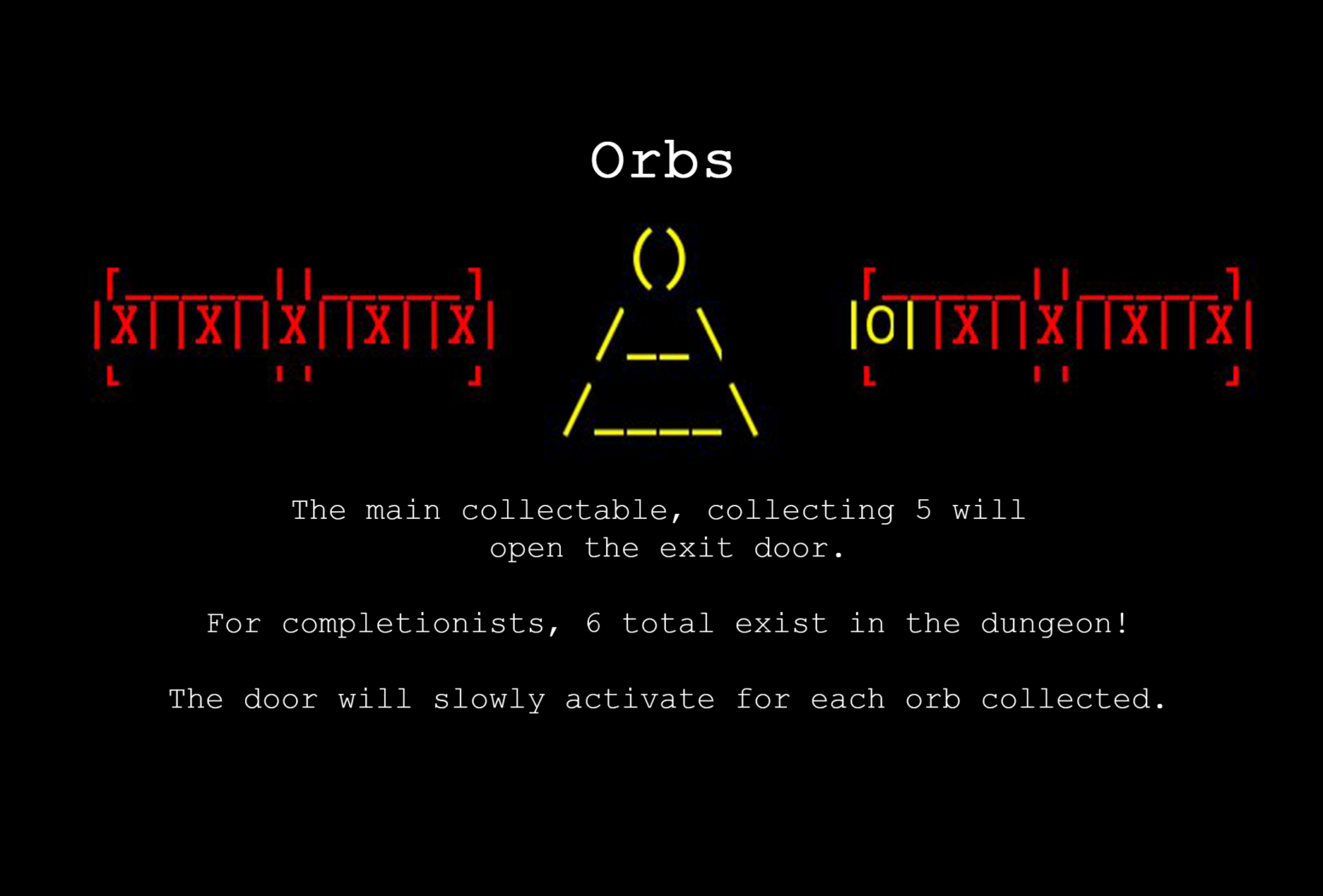
Outside of player mechanics, levels are filled with other functional terrain that can require some thinking to traverse, featured in this slideshow.
Level Design
Level Design
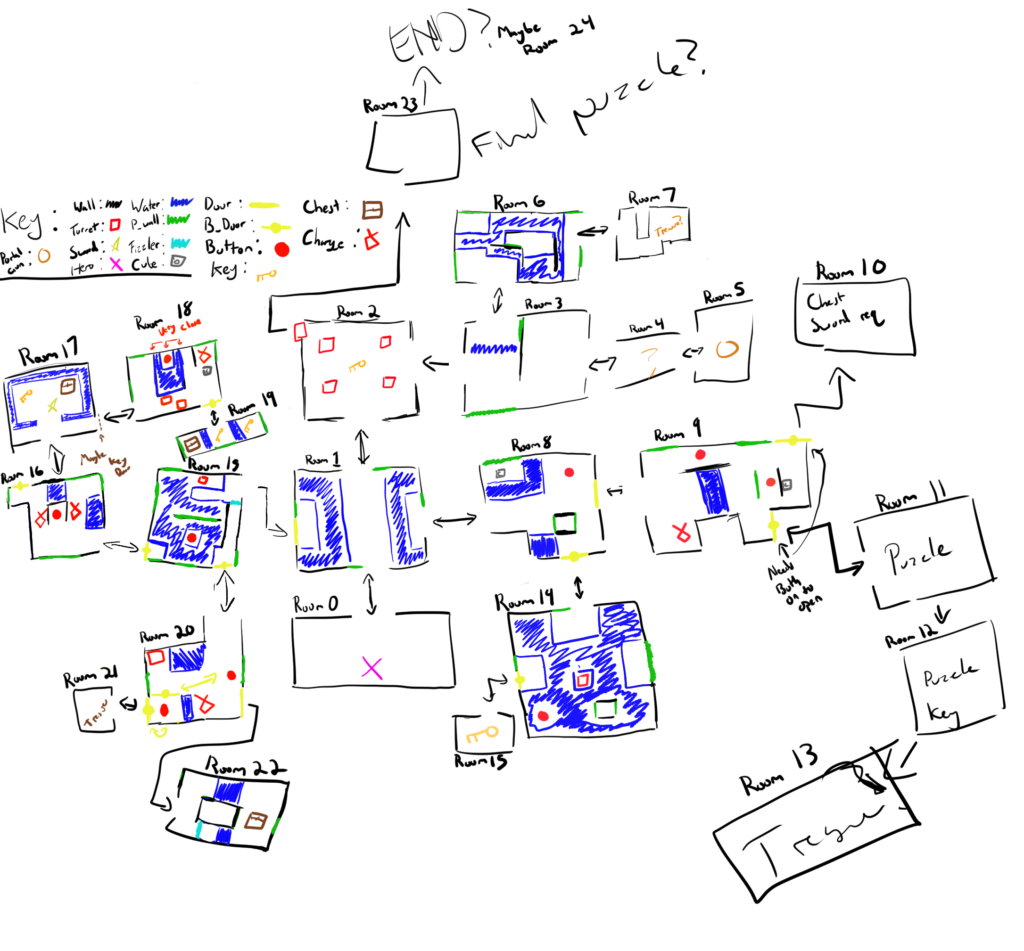
The first rough draft of our plans for the dungeon level layout.
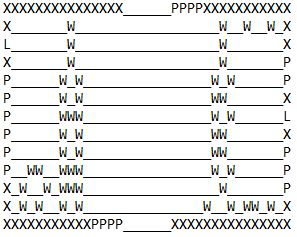
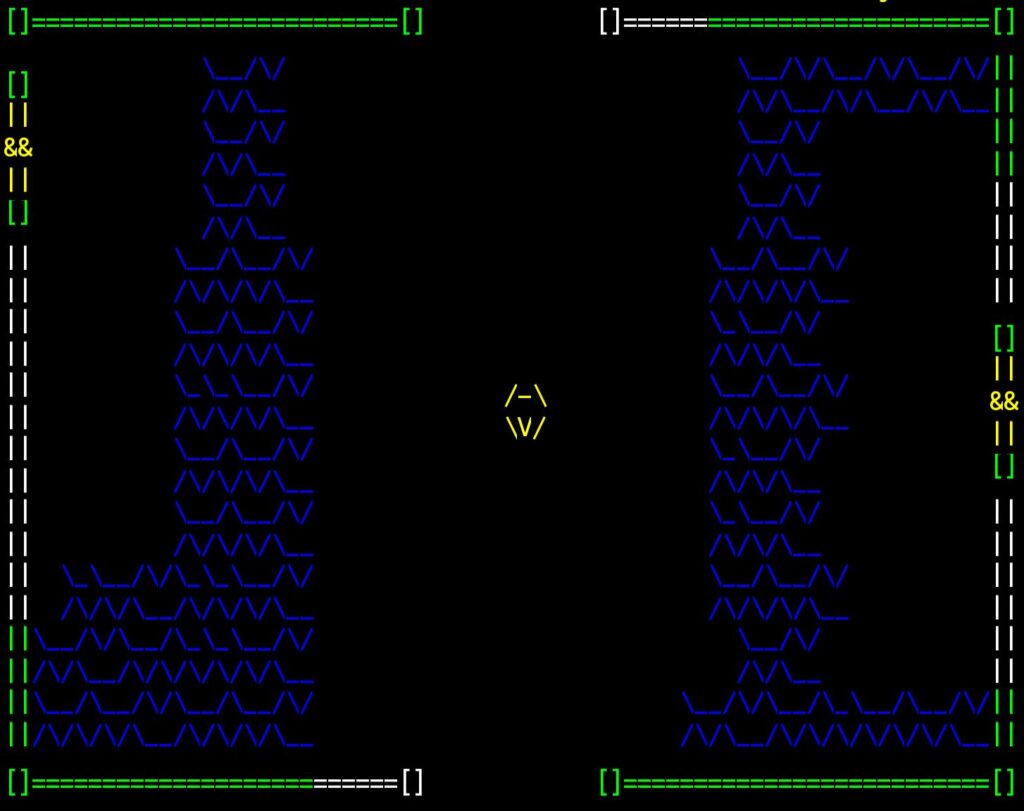
An example of the text document (left) to level (right) generation used in Warp Realm